GoPlay
GoPlay
Client
Client
GoPlay
GoPlay
Role
Role
Year
Year
2021/2022
2021/2022
GoPlay is a Mobile App which easily allows individuals, groups, schools, organisations or companies locate and book the nearest sports/recreational centres based on their choice of recreational activity or sport and their location.
GoPlay is a Mobile App which easily allows individuals, groups, schools, organisations or companies locate and book the nearest sports/recreational centres based on their choice of recreational activity or sport and their location.
GoPlay is a Mobile App which easily allows individuals, groups, schools, organisations or companies locate and book the nearest sports/recreational centres based on their choice of recreational activity or sport and their location.
Team
Team
Product Designer (me - personal case study)
Product Designer (me - personal case study)
Responsibilities
Responsibilities
Product Design • Mobile App Design • Design Library • User Research • Wireframes • Interactive Prototypes
Product Design • Mobile App Design • Design Library • User Research • Wireframes • Interactive Prototypes
Impact
Impact

Overview
Overview
Goplay is a Mobile App which easily allows individuals, groups, schools, organisations or companies locate and book the nearest sports/recreational centres based on their choice of recreational activity or sport and their location. My Role - Lead Designer
Goplay is a Mobile App which easily allows individuals, groups, schools, organisations or companies locate and book the nearest sports/recreational centres based on their choice of recreational activity or sport and their location. My Role - Lead Designer
Goplay is a Mobile App which easily allows individuals, groups, schools, organisations or companies locate and book the nearest sports/recreational centres based on their choice of recreational activity or sport and their location. My Role - Lead Designer
Client
Client
GoPlay
GoPlay
Industry
Industry
Leisure/Entertainment
Leisure/Entertainment
Service
Service
Mobile App Design
Mobile App Design
User Research
User Research
User Experience Design
User Experience Design
Product Design
Product Design
Usability Testing & Analysis
Usability Testing & Analysis
Duration
Duration
2 Weeks
2 Weeks


The Challenge
The Challenge
Oftentimes individuals, groups, schools, organisations or companies decide to find a suitable location to partake in some form of recreational activity or Sport. Finding such currently can be a burdensome and time consuming activity, especially finding one within the individual or group’s budget and also in a close vicinity.
Oftentimes individuals, groups, schools, organisations or companies decide to find a suitable location to partake in some form of recreational activity or Sport. Finding such currently can be a burdensome and time consuming activity, especially finding one within the individual or group’s budget and also in a close vicinity.
Oftentimes individuals, groups, schools, organisations or companies decide to find a suitable location to partake in some form of recreational activity or Sport. Finding such currently can be a burdensome and time consuming activity, especially finding one within the individual or group’s budget and also in a close vicinity.
Product Discovery & Design Strategy
Product Discovery & Design Strategy
Design Process (summarized) - For this project, I started the design journey by first identifying my target audience and which problems the app intends to solve as well as tasks users will use the app to perform, then I proceeded to understand how the users currently accomplish these tasks/activities (Which Apps, websites or platforms they currently use, if any) - getting insights into challenges, likes and probable improvements. From these insights, I was able to develop the user stories/user flows/User personas for tasks identified, from these I proceeded to define the information architecture to be used in the app design (I reviewed existing apps/solutions offering similar booking based services like **Trivago.com**, **Tripadvisor,com** to understand their layout and how users navigate these - these greatly informed and contributed to my IA design). After defining the architecture, I proceeded with designing my lowfi/medium fi designs, these then evolved after some iterations into my High definition designs.
Design Process (summarized) - For this project, I started the design journey by first identifying my target audience and which problems the app intends to solve as well as tasks users will use the app to perform, then I proceeded to understand how the users currently accomplish these tasks/activities (Which Apps, websites or platforms they currently use, if any) - getting insights into challenges, likes and probable improvements. From these insights, I was able to develop the user stories/user flows/User personas for tasks identified, from these I proceeded to define the information architecture to be used in the app design (I reviewed existing apps/solutions offering similar booking based services like **Trivago.com**, **Tripadvisor,com** to understand their layout and how users navigate these - these greatly informed and contributed to my IA design). After defining the architecture, I proceeded with designing my lowfi/medium fi designs, these then evolved after some iterations into my High definition designs.
Design Process (summarized) - For this project, I started the design journey by first identifying my target audience and which problems the app intends to solve as well as tasks users will use the app to perform, then I proceeded to understand how the users currently accomplish these tasks/activities (Which Apps, websites or platforms they currently use, if any) - getting insights into challenges, likes and probable improvements. From these insights, I was able to develop the user stories/user flows/User personas for tasks identified, from these I proceeded to define the information architecture to be used in the app design (I reviewed existing apps/solutions offering similar booking based services like **Trivago.com**, **Tripadvisor,com** to understand their layout and how users navigate these - these greatly informed and contributed to my IA design). After defining the architecture, I proceeded with designing my lowfi/medium fi designs, these then evolved after some iterations into my High definition designs.
The Solution
The Solution
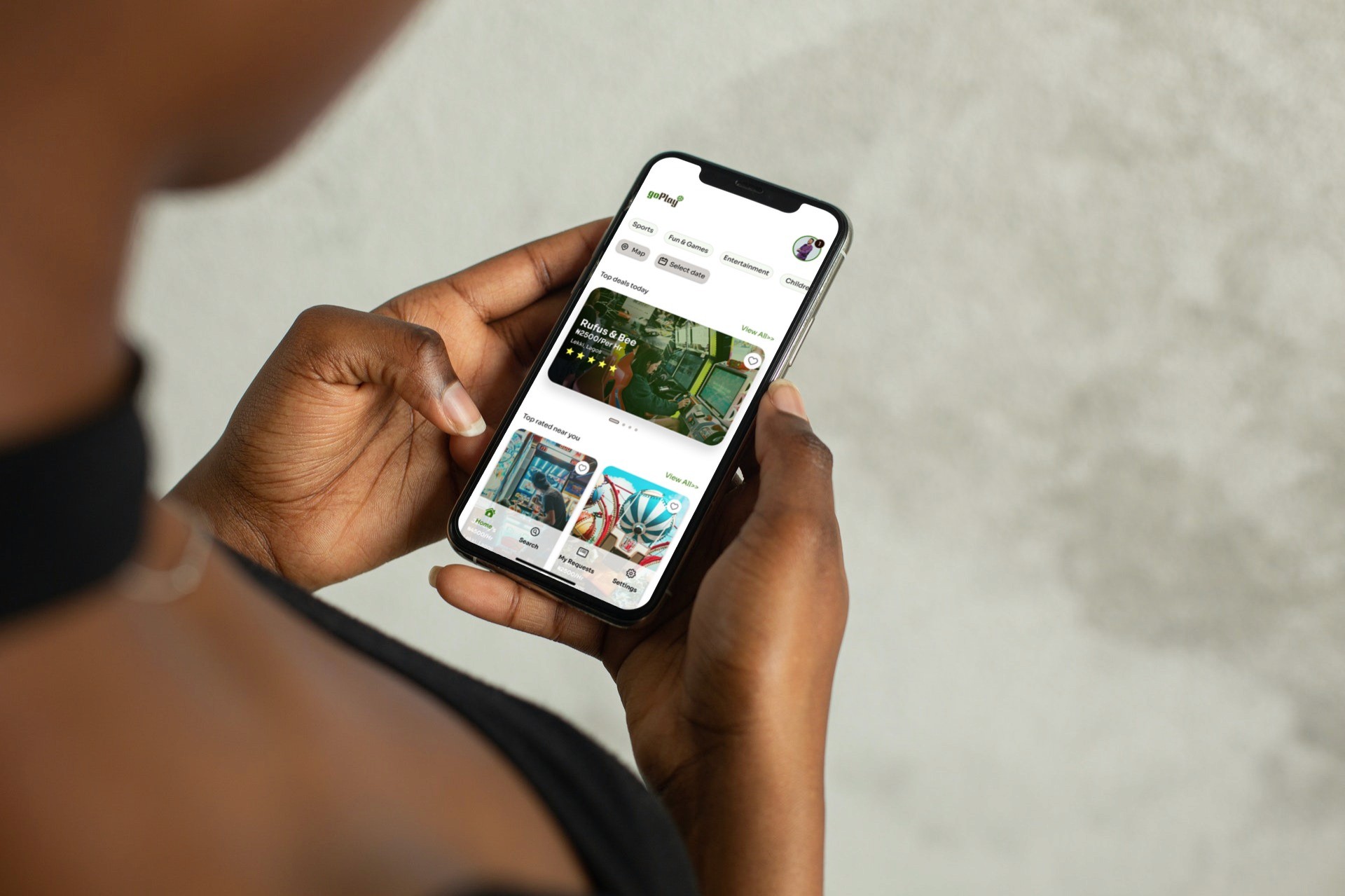
A Mobile App which will easily allow individuals, groups, schools, organisations or companies locate and book the nearest recreational centres based on their choice of recreational activity or sport.
A Mobile App which will easily allow individuals, groups, schools, organisations or companies locate and book the nearest recreational centres based on their choice of recreational activity or sport.
A Mobile App which will easily allow individuals, groups, schools, organisations or companies locate and book the nearest recreational centres based on their choice of recreational activity or sport.
The Result
The Result
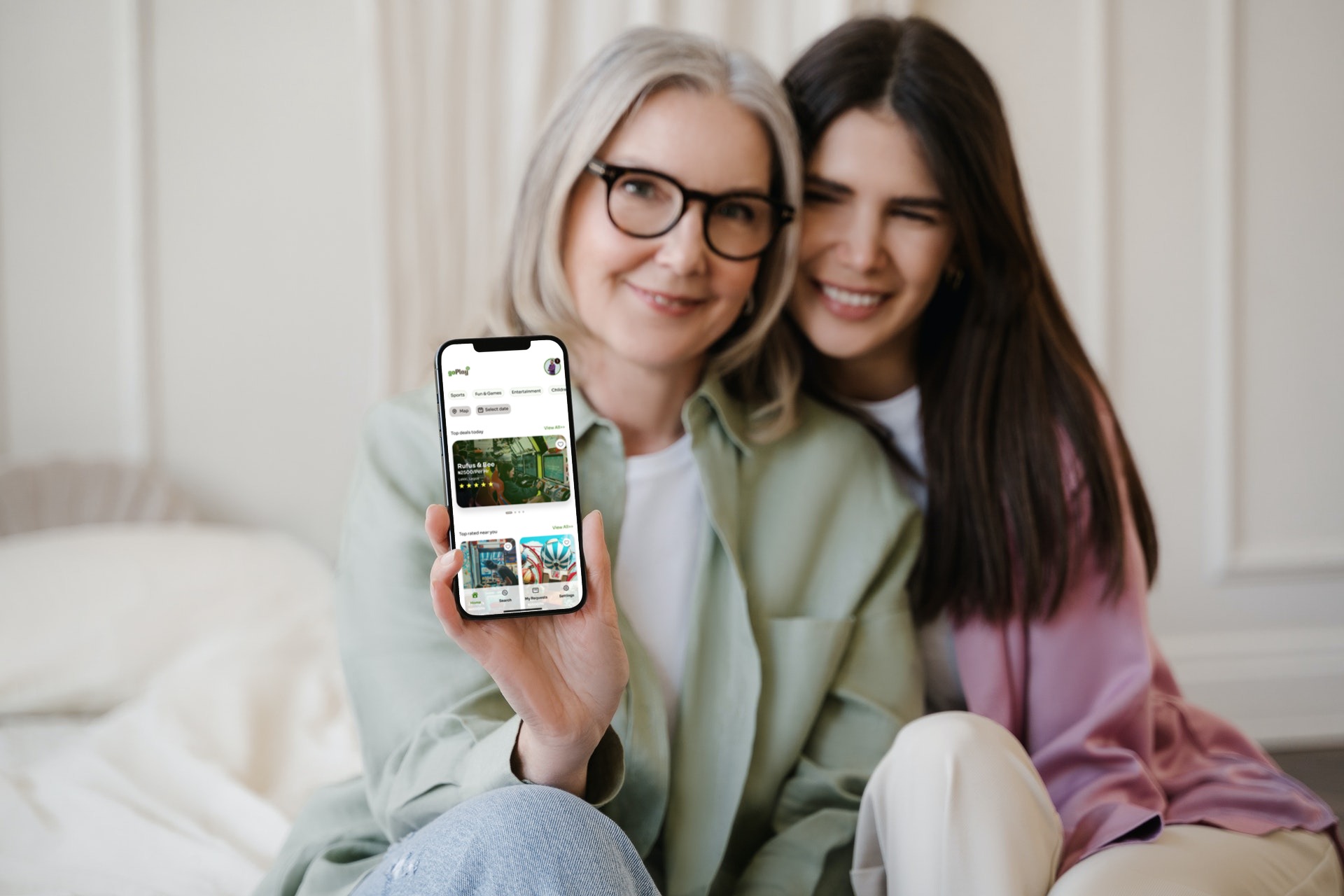
Key Takeaways 1. Clearly being able to define end users, goals, problems to be resolved and user needs really helped direct my design decisions. For the actual designs, I learnt that its always important to take the time to define a clear and concise design library, this greatly helped make my work faster when I was translating my lowfi/medfi designs into the actual high fidelity designs. 2. Also having design review/usability review sessions with potential users of the app & peers helped me get an objective view of my designs and ensured I wasn’t just designing for myself.
Key Takeaways 1. Clearly being able to define end users, goals, problems to be resolved and user needs really helped direct my design decisions. For the actual designs, I learnt that its always important to take the time to define a clear and concise design library, this greatly helped make my work faster when I was translating my lowfi/medfi designs into the actual high fidelity designs. 2. Also having design review/usability review sessions with potential users of the app & peers helped me get an objective view of my designs and ensured I wasn’t just designing for myself.
Key Takeaways 1. Clearly being able to define end users, goals, problems to be resolved and user needs really helped direct my design decisions. For the actual designs, I learnt that its always important to take the time to define a clear and concise design library, this greatly helped make my work faster when I was translating my lowfi/medfi designs into the actual high fidelity designs. 2. Also having design review/usability review sessions with potential users of the app & peers helped me get an objective view of my designs and ensured I wasn’t just designing for myself.

PORTFOLIO
CHECK OUT SOME MORE
CHECK OUT SOME MORE
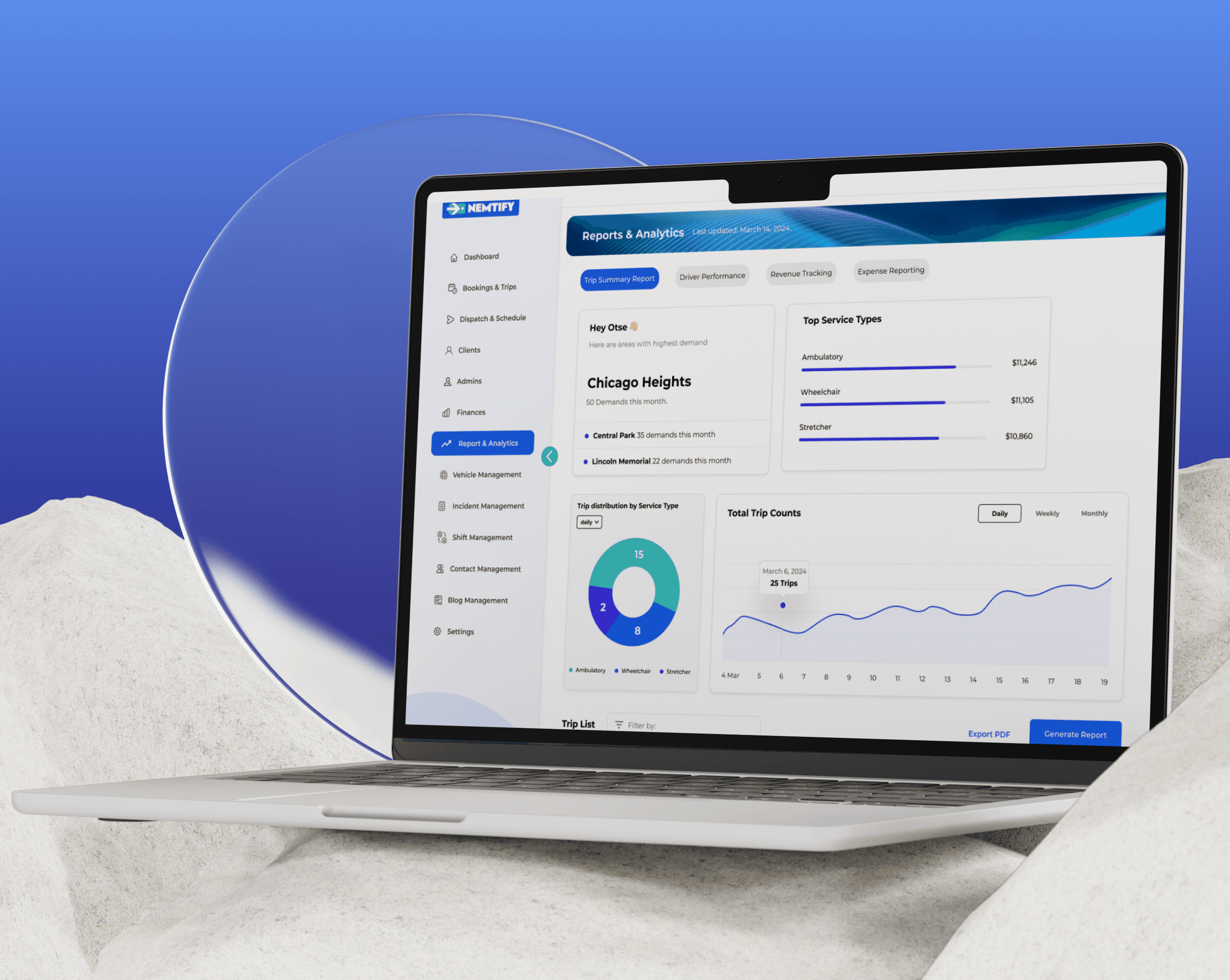
NEMTIFY
UX Research & Design
Product Documentation
Product Discovery
Figma
B2B SaaS for Medical Transportation Service Operators
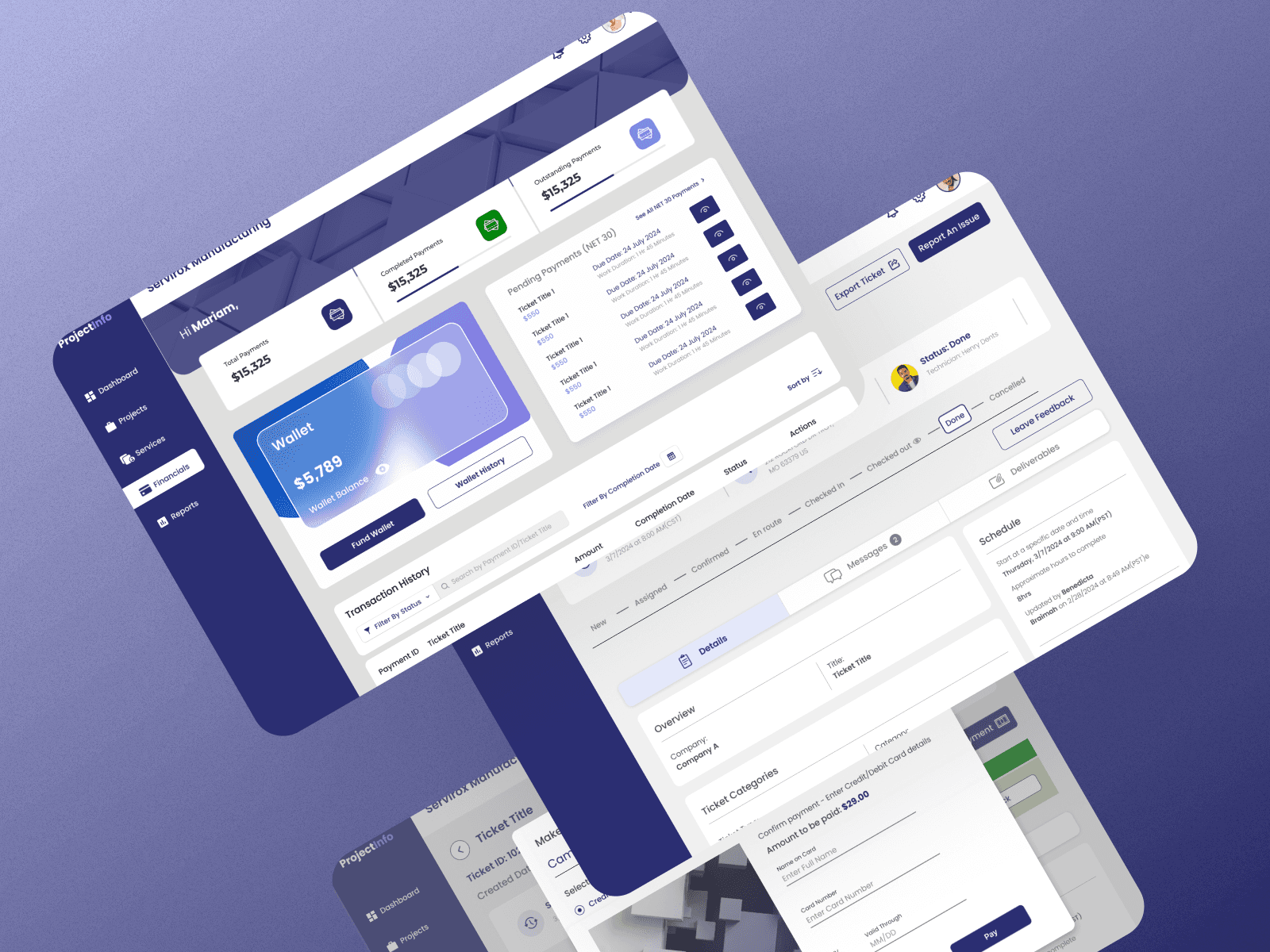
ProjectInfo
Product Design
B2B/B2C SaaS design
Product Thinking
AI optimized workflows
Interactive Prototyping
HAVE A PROJECT
IN MIND ?