Eonace
Eonace
Client
Client
Eonace
Eonace
Role
Role
Product Designer
Product Designer
Year
Year
2023
2023
Designing a seamless fintech app that simplifies everyday financial transactions.
Designing a seamless fintech app that simplifies everyday financial transactions.
Designing a seamless fintech app that simplifies everyday financial transactions.
Team
Team
Founder • 2 Software Engineers • Product Designer (me)
Founder • 2 Software Engineers • Product Designer (me)
Responsibilities
Responsibilities
User Research • Comparative Analysis • Information Architecture • UX/UI Design • Design System • Prototyping • Interaction Design • Usability Testing • Cross-functional Collaboration • Collaborative Dev Handoff
User Research • Comparative Analysis • Information Architecture • UX/UI Design • Design System • Prototyping • Interaction Design • Usability Testing • Cross-functional Collaboration • Collaborative Dev Handoff
Impact
Impact
• 92% satisfaction rate among early adopters • 40% reduction in average transaction times • Improved onboarding efficiency by 60% for new customers • 25% increase in payment processing speed.
• 92% satisfaction rate among early adopters • 40% reduction in average transaction times • Improved onboarding efficiency by 60% for new customers • 25% increase in payment processing speed.
Overview
Overview
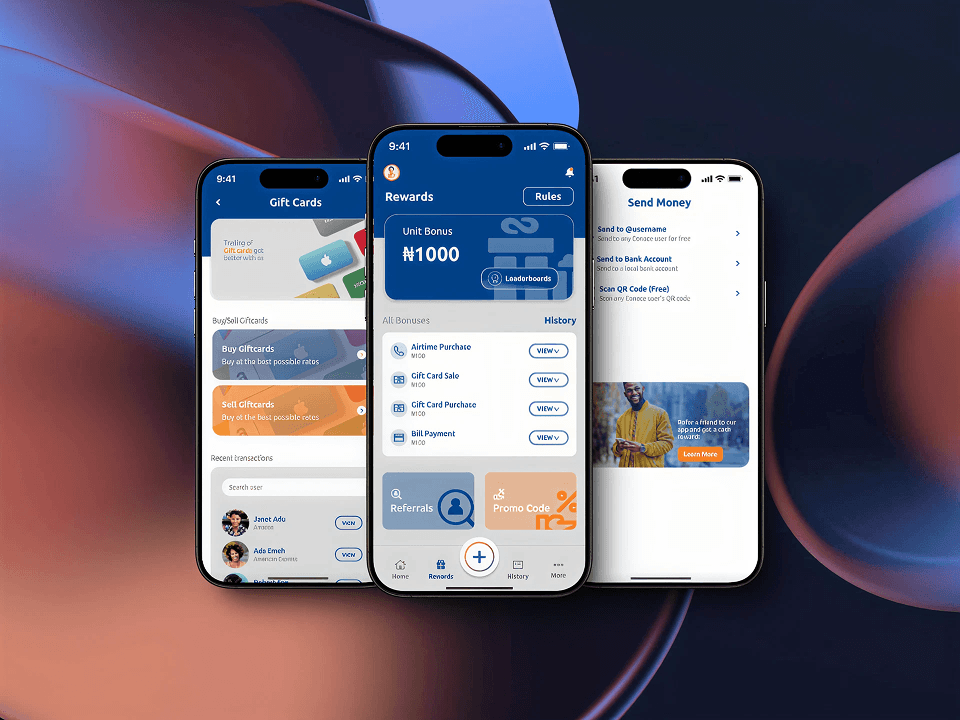
Overview: Eonace is a fintech solution that is aimed at simplifying the user experience for bill payments, gift card shopping, converting airtime to cash, purchasing of event tickets and other financial transactions. Who was it for? Eonace was designed for a diverse user base, including young individuals managing personal finances and small business owners seeking an efficient way to handle payments and transfers. What were the goals? The key objectives were to: - Create a user-friendly interface that simplifies financial processes. - Build trust through robust security features. - Enable fast, seamless transactions across multiple devices. - Offer clear insights into financial activities with comprehensive tracking and reporting. My Role - As the Lead Designer for Eonace, I oversaw the end-to-end design process, from research to implementation. My responsibilities included: - Conducting user research to identify pain points and user needs. - Designing wireframes, high fidelity interactive prototypes, and the final user interface. - Leading usability testing sessions and iterating based on feedback. - Designing and maintaining a comprehensive design kit, boosting onboarding efficiency by 60% for new customers. - Collaborating with cross-functional teams, including developers and product managers, to ensure a seamless integration of design and functionality. - Advocating for user-centric design principles throughout the project lifecycle
Overview: Eonace is a fintech solution that is aimed at simplifying the user experience for bill payments, gift card shopping, converting airtime to cash, purchasing of event tickets and other financial transactions. Who was it for? Eonace was designed for a diverse user base, including young individuals managing personal finances and small business owners seeking an efficient way to handle payments and transfers. What were the goals? The key objectives were to: - Create a user-friendly interface that simplifies financial processes. - Build trust through robust security features. - Enable fast, seamless transactions across multiple devices. - Offer clear insights into financial activities with comprehensive tracking and reporting. My Role - As the Lead Designer for Eonace, I oversaw the end-to-end design process, from research to implementation. My responsibilities included: - Conducting user research to identify pain points and user needs. - Designing wireframes, high fidelity interactive prototypes, and the final user interface. - Leading usability testing sessions and iterating based on feedback. - Designing and maintaining a comprehensive design kit, boosting onboarding efficiency by 60% for new customers. - Collaborating with cross-functional teams, including developers and product managers, to ensure a seamless integration of design and functionality. - Advocating for user-centric design principles throughout the project lifecycle
Overview: Eonace is a fintech solution that is aimed at simplifying the user experience for bill payments, gift card shopping, converting airtime to cash, purchasing of event tickets and other financial transactions. Who was it for? Eonace was designed for a diverse user base, including young individuals managing personal finances and small business owners seeking an efficient way to handle payments and transfers. What were the goals? The key objectives were to: - Create a user-friendly interface that simplifies financial processes. - Build trust through robust security features. - Enable fast, seamless transactions across multiple devices. - Offer clear insights into financial activities with comprehensive tracking and reporting. My Role - As the Lead Designer for Eonace, I oversaw the end-to-end design process, from research to implementation. My responsibilities included: - Conducting user research to identify pain points and user needs. - Designing wireframes, high fidelity interactive prototypes, and the final user interface. - Leading usability testing sessions and iterating based on feedback. - Designing and maintaining a comprehensive design kit, boosting onboarding efficiency by 60% for new customers. - Collaborating with cross-functional teams, including developers and product managers, to ensure a seamless integration of design and functionality. - Advocating for user-centric design principles throughout the project lifecycle
Client
Client
Eonace
Eonace
Industry
Industry
Fintech
Fintech
Service
Service
UX/UI Design
UX/UI Design
Mobile App Design
Mobile App Design
Figma
Figma
Product Design
Product Design
Fintech App Design
Fintech App Design
Duration
Duration
4 Weeks
4 Weeks


The Challenge
The Challenge
What was the challenge? With legacy banking apps, its often a long process of setting up a bank account and getting verified before being able to carry out transactions, this is mostly a turn off for young entrepreneurs or students who desire fast access to their finances and want to carry out transactions with as little stress as possible. Also ease of access and tracking use of funds is a major concern with the unbanked community, mostly in rural areas and semi educated folks. Eonace sought to resolve these issues by creating a seamless and secure platform for initiating, tracking, and managing digital financial transactions, with a focus on usability and accessibility.
What was the challenge? With legacy banking apps, its often a long process of setting up a bank account and getting verified before being able to carry out transactions, this is mostly a turn off for young entrepreneurs or students who desire fast access to their finances and want to carry out transactions with as little stress as possible. Also ease of access and tracking use of funds is a major concern with the unbanked community, mostly in rural areas and semi educated folks. Eonace sought to resolve these issues by creating a seamless and secure platform for initiating, tracking, and managing digital financial transactions, with a focus on usability and accessibility.
What was the challenge? With legacy banking apps, its often a long process of setting up a bank account and getting verified before being able to carry out transactions, this is mostly a turn off for young entrepreneurs or students who desire fast access to their finances and want to carry out transactions with as little stress as possible. Also ease of access and tracking use of funds is a major concern with the unbanked community, mostly in rural areas and semi educated folks. Eonace sought to resolve these issues by creating a seamless and secure platform for initiating, tracking, and managing digital financial transactions, with a focus on usability and accessibility.
Product Discovery & Design Strategy
Product Discovery & Design Strategy
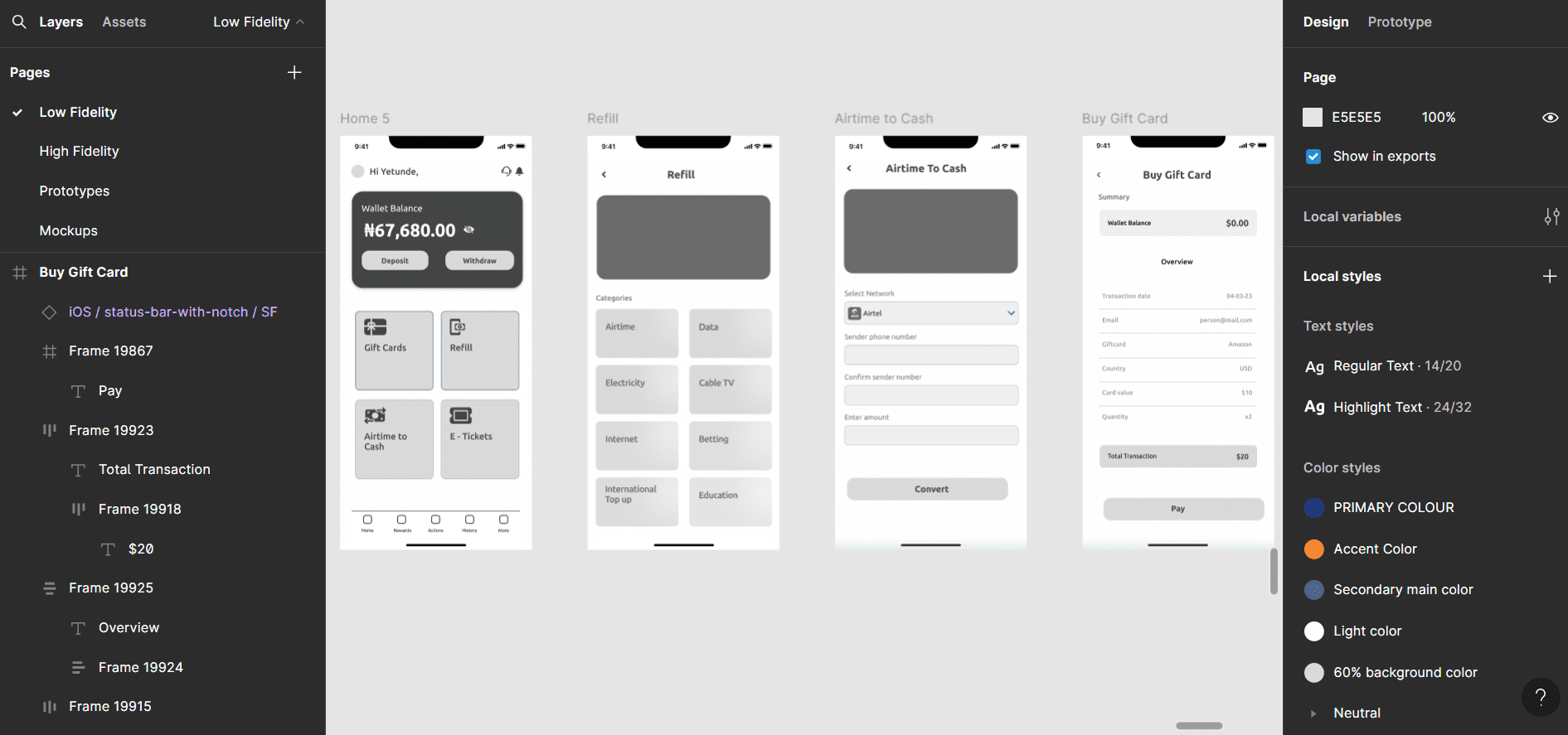
Understanding Financial Behaviors - Before designing solutions, I partnered with the Product Owner to understand how users managed their everyday financial transactions and where friction existed across their payment journeys. Our objective was to identify the biggest usability barriers while balancing business goals, regulatory requirements, and technical constraints. 1. User Research I conducted interviews and surveys with potential users, including freelancers, small business owners, and individuals handling frequent financial transactions. The research uncovered: - Pain points with fragmented financial tools. - A strong preference for a unified platform. - Concerns about transaction security and transparency. 2. Competitive Analysis I analyzed competing platforms and identified key areas for improvement, including: - Simplified onboarding processes. - Better integration with diverse payment systems. - Enhanced mobile-first design to meet user expectations. - Introduction of subtle interaction micro-animations to enhance user engagement. 3. Key Findings - Users demanded intuitive navigation and minimal learning curves. - Transparency in fees and transaction statuses was a top priority. - Users wanted a single platform instead of switching between multiple apps for bills, transfers, gift cards, and other financial services. - Users expected financial transactions to be completed quickly with minimal effort and little room for error. - First-time users needed guidance without slowing down experienced users. - Secure, yet hassle-free authentication methods were essential. These insights made it clear that our biggest challenge wasn't adding more financial services—it was making a growing ecosystem of services feel simple, trustworthy, and easy to navigate. 4. Defining Success Before exploring design concepts, we aligned on what success would look like - Success wasn't simply shipping features. Success meant helping users: - complete transactions faster - trust the platform - discover services easily - make fewer mistakes - feel confident throughout every payment journey 5. Product Strategy Working closely with the product owner and engineers, we prioritized the highest-frequency financial activities first—wallet funding, bill payments, transfers, gift cards, and airtime conversion. Supporting these core journeys allowed us to validate the product quickly while creating a strong foundation for future services like virtual cards, currency wallets, and rewards. Design Process - 1. Ideation I started by mapping out the typical user journey for financial transactions, from account setup to completing a payment. This led to initial sketches and review sessions with the PM focused on simplifying these workflows while incorporating essential security measures. 2.Wireframes & Prototypes Low-fidelity wireframes captured the essential layout and navigation paths. These evolved into high-fidelity prototypes showcasing: - A clean, responsive dashboard UI for tracking transactions. - Streamlined workflows for sending and receiving money, carrying out bill payments, gift card transactions and other transactions. - Integrated robust transaction history and analytics for financial tracking. 3. Iterative Testing I conducted usability tests with diverse user groups to identify friction points. Key iterations included: - Refining the onboarding process to reduce drop-offs. - Improving the visibility of transaction statuses. - Incorporating multi-layered authentication without compromising user experience.
Understanding Financial Behaviors - Before designing solutions, I partnered with the Product Owner to understand how users managed their everyday financial transactions and where friction existed across their payment journeys. Our objective was to identify the biggest usability barriers while balancing business goals, regulatory requirements, and technical constraints. 1. User Research I conducted interviews and surveys with potential users, including freelancers, small business owners, and individuals handling frequent financial transactions. The research uncovered: - Pain points with fragmented financial tools. - A strong preference for a unified platform. - Concerns about transaction security and transparency. 2. Competitive Analysis I analyzed competing platforms and identified key areas for improvement, including: - Simplified onboarding processes. - Better integration with diverse payment systems. - Enhanced mobile-first design to meet user expectations. - Introduction of subtle interaction micro-animations to enhance user engagement. 3. Key Findings - Users demanded intuitive navigation and minimal learning curves. - Transparency in fees and transaction statuses was a top priority. - Users wanted a single platform instead of switching between multiple apps for bills, transfers, gift cards, and other financial services. - Users expected financial transactions to be completed quickly with minimal effort and little room for error. - First-time users needed guidance without slowing down experienced users. - Secure, yet hassle-free authentication methods were essential. These insights made it clear that our biggest challenge wasn't adding more financial services—it was making a growing ecosystem of services feel simple, trustworthy, and easy to navigate. 4. Defining Success Before exploring design concepts, we aligned on what success would look like - Success wasn't simply shipping features. Success meant helping users: - complete transactions faster - trust the platform - discover services easily - make fewer mistakes - feel confident throughout every payment journey 5. Product Strategy Working closely with the product owner and engineers, we prioritized the highest-frequency financial activities first—wallet funding, bill payments, transfers, gift cards, and airtime conversion. Supporting these core journeys allowed us to validate the product quickly while creating a strong foundation for future services like virtual cards, currency wallets, and rewards. Design Process - 1. Ideation I started by mapping out the typical user journey for financial transactions, from account setup to completing a payment. This led to initial sketches and review sessions with the PM focused on simplifying these workflows while incorporating essential security measures. 2.Wireframes & Prototypes Low-fidelity wireframes captured the essential layout and navigation paths. These evolved into high-fidelity prototypes showcasing: - A clean, responsive dashboard UI for tracking transactions. - Streamlined workflows for sending and receiving money, carrying out bill payments, gift card transactions and other transactions. - Integrated robust transaction history and analytics for financial tracking. 3. Iterative Testing I conducted usability tests with diverse user groups to identify friction points. Key iterations included: - Refining the onboarding process to reduce drop-offs. - Improving the visibility of transaction statuses. - Incorporating multi-layered authentication without compromising user experience.
Understanding Financial Behaviors - Before designing solutions, I partnered with the Product Owner to understand how users managed their everyday financial transactions and where friction existed across their payment journeys. Our objective was to identify the biggest usability barriers while balancing business goals, regulatory requirements, and technical constraints. 1. User Research I conducted interviews and surveys with potential users, including freelancers, small business owners, and individuals handling frequent financial transactions. The research uncovered: - Pain points with fragmented financial tools. - A strong preference for a unified platform. - Concerns about transaction security and transparency. 2. Competitive Analysis I analyzed competing platforms and identified key areas for improvement, including: - Simplified onboarding processes. - Better integration with diverse payment systems. - Enhanced mobile-first design to meet user expectations. - Introduction of subtle interaction micro-animations to enhance user engagement. 3. Key Findings - Users demanded intuitive navigation and minimal learning curves. - Transparency in fees and transaction statuses was a top priority. - Users wanted a single platform instead of switching between multiple apps for bills, transfers, gift cards, and other financial services. - Users expected financial transactions to be completed quickly with minimal effort and little room for error. - First-time users needed guidance without slowing down experienced users. - Secure, yet hassle-free authentication methods were essential. These insights made it clear that our biggest challenge wasn't adding more financial services—it was making a growing ecosystem of services feel simple, trustworthy, and easy to navigate. 4. Defining Success Before exploring design concepts, we aligned on what success would look like - Success wasn't simply shipping features. Success meant helping users: - complete transactions faster - trust the platform - discover services easily - make fewer mistakes - feel confident throughout every payment journey 5. Product Strategy Working closely with the product owner and engineers, we prioritized the highest-frequency financial activities first—wallet funding, bill payments, transfers, gift cards, and airtime conversion. Supporting these core journeys allowed us to validate the product quickly while creating a strong foundation for future services like virtual cards, currency wallets, and rewards. Design Process - 1. Ideation I started by mapping out the typical user journey for financial transactions, from account setup to completing a payment. This led to initial sketches and review sessions with the PM focused on simplifying these workflows while incorporating essential security measures. 2.Wireframes & Prototypes Low-fidelity wireframes captured the essential layout and navigation paths. These evolved into high-fidelity prototypes showcasing: - A clean, responsive dashboard UI for tracking transactions. - Streamlined workflows for sending and receiving money, carrying out bill payments, gift card transactions and other transactions. - Integrated robust transaction history and analytics for financial tracking. 3. Iterative Testing I conducted usability tests with diverse user groups to identify friction points. Key iterations included: - Refining the onboarding process to reduce drop-offs. - Improving the visibility of transaction statuses. - Incorporating multi-layered authentication without compromising user experience.
The Solution
The Solution
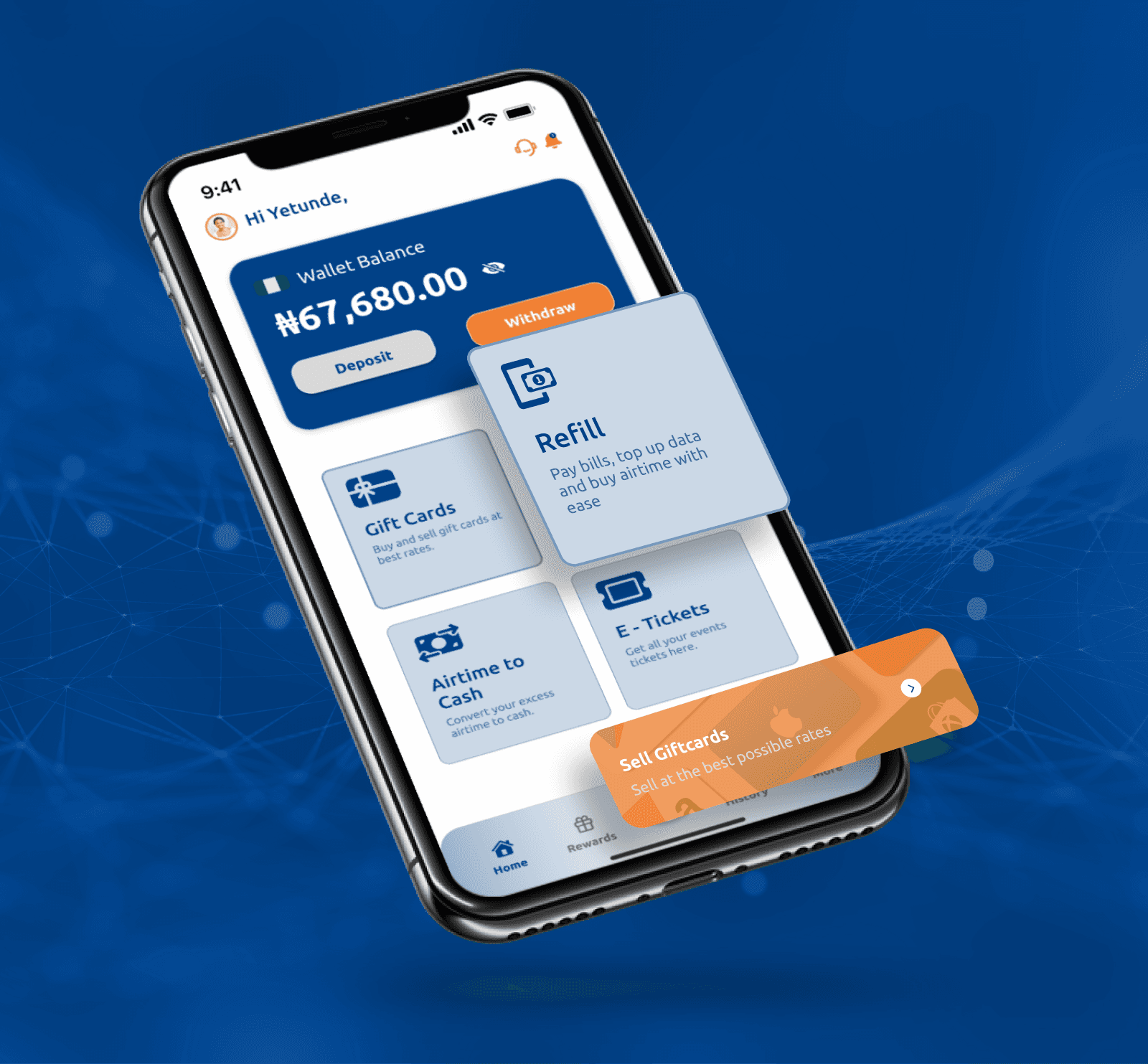
Design Solution - Eonace’s final design featured: - Unified Dashboard: A central hub for managing all financial activities. - Seamless Transactions: Intuitive workflows for transfers, payments, transactions and balance management. - Advanced Security: 2FA authentication and real-time fraud detection. - Comprehensive Insights: Visual reports and notifications for better financial planning. Results Achieved : - User Satisfaction: Surveys indicated a 92% satisfaction rate among early adopters. - Increased Efficiency: Average transaction times were reduced by 40%. - Optimized onboarding: Improved onboarding efficiency by 60% for new customers. - Business Growth: Small businesses using Eonace reported a 25% increase in payment processing speed. Business Value: By prioritizing user needs and security, Eonace positioned itself as a reliable, modern solution for digital financial management, driving user retention and expanding its market share.
Design Solution - Eonace’s final design featured: - Unified Dashboard: A central hub for managing all financial activities. - Seamless Transactions: Intuitive workflows for transfers, payments, transactions and balance management. - Advanced Security: 2FA authentication and real-time fraud detection. - Comprehensive Insights: Visual reports and notifications for better financial planning. Results Achieved : - User Satisfaction: Surveys indicated a 92% satisfaction rate among early adopters. - Increased Efficiency: Average transaction times were reduced by 40%. - Optimized onboarding: Improved onboarding efficiency by 60% for new customers. - Business Growth: Small businesses using Eonace reported a 25% increase in payment processing speed. Business Value: By prioritizing user needs and security, Eonace positioned itself as a reliable, modern solution for digital financial management, driving user retention and expanding its market share.
Design Solution - Eonace’s final design featured: - Unified Dashboard: A central hub for managing all financial activities. - Seamless Transactions: Intuitive workflows for transfers, payments, transactions and balance management. - Advanced Security: 2FA authentication and real-time fraud detection. - Comprehensive Insights: Visual reports and notifications for better financial planning. Results Achieved : - User Satisfaction: Surveys indicated a 92% satisfaction rate among early adopters. - Increased Efficiency: Average transaction times were reduced by 40%. - Optimized onboarding: Improved onboarding efficiency by 60% for new customers. - Business Growth: Small businesses using Eonace reported a 25% increase in payment processing speed. Business Value: By prioritizing user needs and security, Eonace positioned itself as a reliable, modern solution for digital financial management, driving user retention and expanding its market share.
The Result
The Result
Reflection and Takeaways Designing Eonace highlighted the importance of balancing simplicity with robust functionality. Key lessons included: - User-centric design is vital for driving adoption in fintech. - Transparent communication of security features builds trust. - Iterative design and testing ensure the final product meets diverse user needs.
Reflection and Takeaways Designing Eonace highlighted the importance of balancing simplicity with robust functionality. Key lessons included: - User-centric design is vital for driving adoption in fintech. - Transparent communication of security features builds trust. - Iterative design and testing ensure the final product meets diverse user needs.
Reflection and Takeaways Designing Eonace highlighted the importance of balancing simplicity with robust functionality. Key lessons included: - User-centric design is vital for driving adoption in fintech. - Transparent communication of security features builds trust. - Iterative design and testing ensure the final product meets diverse user needs.


PORTFOLIO
CHECK OUT SOME MORE
CHECK OUT SOME MORE
NEMTIFY
UX Research & Design
Product Documentation
Product Discovery
Figma
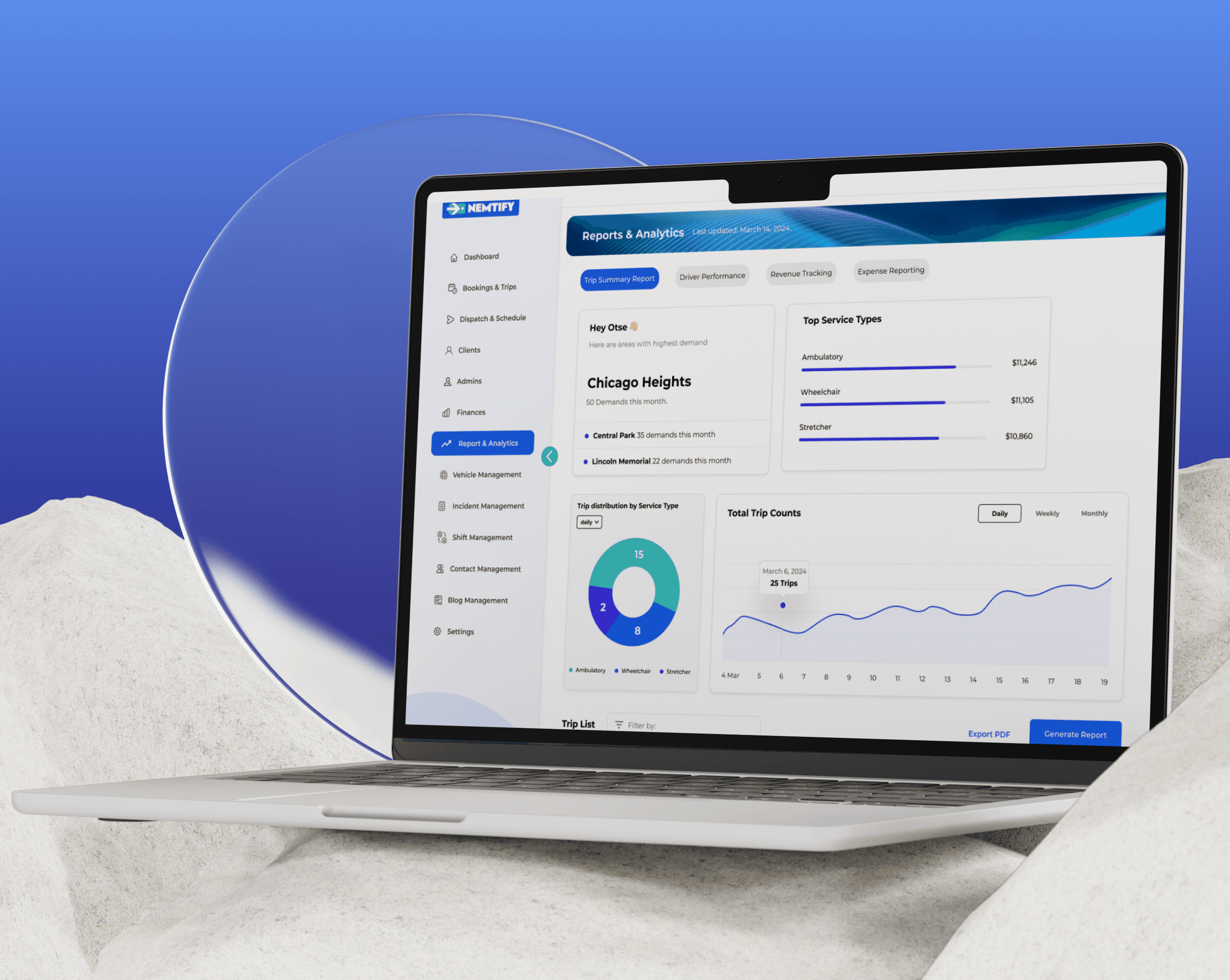
B2B SaaS for Medical Transportation Service Operators
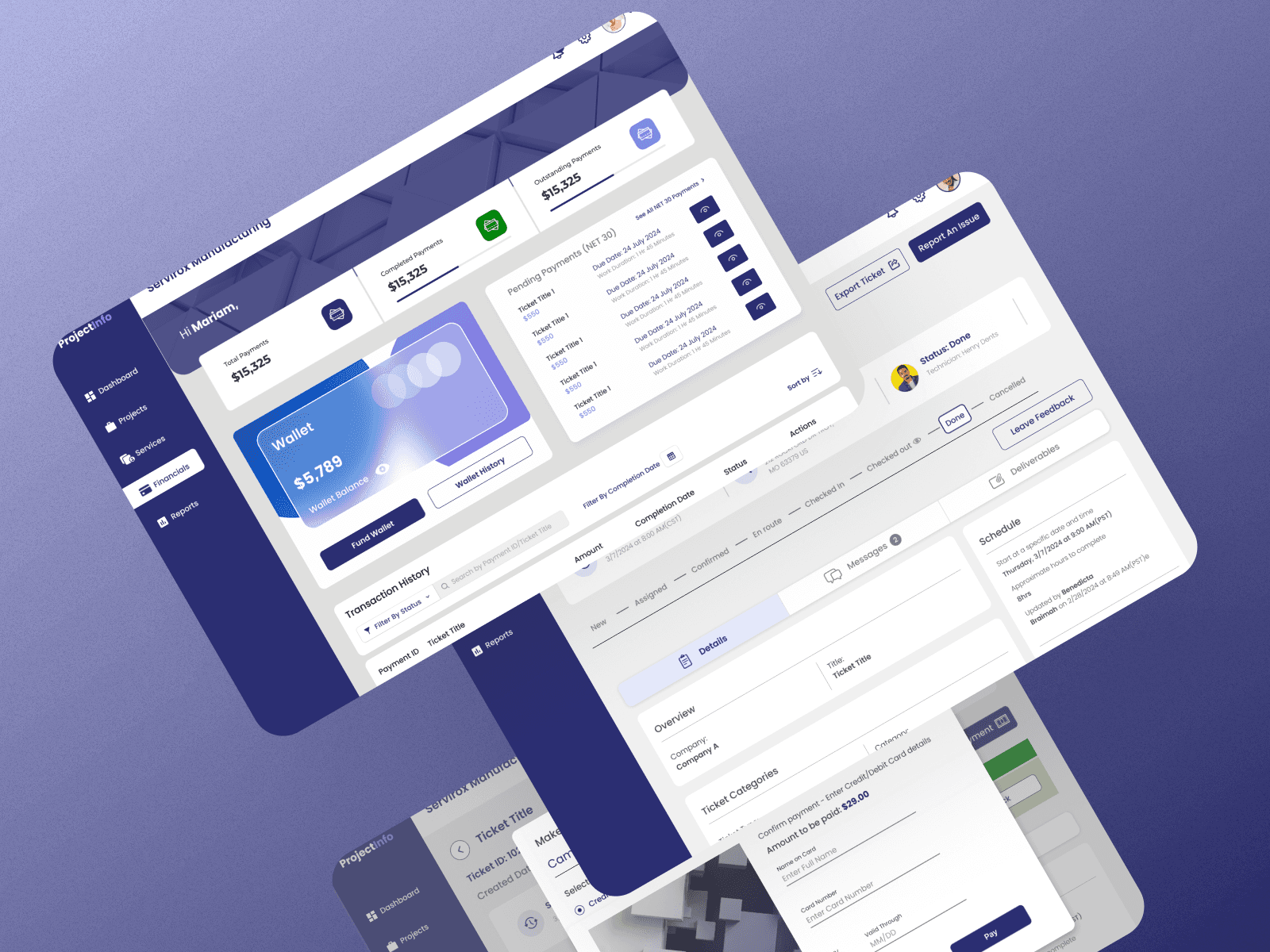
ProjectInfo
Product Design
B2B/B2C SaaS design
Product Thinking
AI optimized workflows
Interactive Prototyping
HAVE A PROJECT
IN MIND ?